Zinplava: A Human Monoclonal Antibody

Recurrent infection of Clostridium difficile in patients over 18 years old may be combatted with Zinplava (bezlotoxumab), an injectable human monoclonal antibody that neutralizes toxin B (an A-B toxin) produced by the bacteria. In general, monoclonal antibodies are antibodies derived from a single B cell clone, allowing them to be specific for a single antigen or epitope. All monoclonal antibodies of a specific type will be identical in every way, including both the constant and variable regions of both the light and heavy chains that together make up the antibody. Monoclonal antibodies are often mass produced in animal models and are used for both therapeutic and immunoassay purposes. The specific mode of action for Zinplava is binding and subsequent neutralization of toxin B that is produced by C. difficile. Zinplava is not, however, a treatment for infection by C. difficile and is only administered in conjunction with antibiotics as a means of preventing recurrent infections in patients with high-risk for recurrence. Clinical trials for Zinplava identified high risk individuals as: being over the age of 65, being immunocompromised, receiving multiple systemic antibacterial drugs, and reporting one or more C. difficile infections within the 6 months prior to the current infection being treated.

Neutralization of toxin B has been found to be clinically significant in reducing recurrent CDI infections, as reported by this NIH article reviewing therapy options for C. difficile infections (CDI). The exact, immunological impact in vivo is not completely verified, however a 2016 NIH study may provide insight into how Zinplava’s neutralization of toxin B helps decrease recurrent infection. The study highlighted the role of toxin B in C. difficile‘s pathogenicity, recognizing it as the likely major actor in providing C. difficile with its pathogenic capability. Evidence for this role stems from toxin B’s role in up-regulating production of IL-8 and interferon gamma to attract neutrophils which are likely responsible for the extreme damage to the mucosa of the intestines, its ability to induce multiple types of apoptosis, and the lack of toxin B negative strains of C. difficile even though toxin A negative strains are present. As such, toxin B impacts the innate immune response by inducing severe inflammation of the colon, among other effects which cause the other symptoms of CDI. Applying Zinplava can help to mitigate that severe inflammation and prevent mucosal damage, which likely contributes to the regeneration of healthy gut microbiota which is important to preventing recurrent infections.

Just as with any drug or foreign substance that enters our body, there are bound to be side effects. The most important and potentially fatal of the side effects associated with Zinplava is heart failure. Specifically, individuals who have been diagnosed with congestive heart failure in the past are at much greater risk for experiencing heart failure when taking Zinplava, leading the FDA to recommend only taking Zinplava “when the benefits outweigh the risks.” Other side effects include all of the following:

  • nausea
  • headache
  • fever
  • shortness of breath
  • feeling tired
  • dizziness
  • high blood pressure

Due to the fact that Zinplava is supposed to neutralize toxin B of C. difficile in an effort to dampen its effects, some of these side effects are expected. A neutralized toxin particle will eventually be taken up by a macrophage for degradation. In the event that the toxin enters the blood stream, a phenomenon known as toxemia, the monoclonal antibodies of Zinplava must neutralize it in the blood. This can result in large particles forming within the blood stream, causing an increase in blood pressure leading to headaches, dizziness to do lack of blood flow and potentially shortness of breath if the complex causes a significant blockage. Additionally, nausea likely results from the fact that C. difficile colonizes the lower digestive tract and, as such, Zinplava must migrate to that area in order to work effectively. This influx of materials along with the actions of C. difficile can cause mucosal irritation and nausea.


Antibody Testing for CoVid-19

As everyone knows by now, the world as we know it has been completely flipped on its head by the Coronavirus outbreak. Schools have been closed, shelter in place orders have been issued, and social distancing has been touted as our best defense against this pandemic. But there may be a new hope emerging as we learn more about Coronavirus, its infectious course, and our immune response to infection. As new information becomes available as studies continue to be conducted, immunologists and virologists have been able to develop antibody tests that allow for much more rapid testing and results than the current PCR testing method which has serious limitations. The premise of PCR testing is to use manmade RNA primers to bind actual RNA from the virus if the individual has been infected. The issue, however, is that there has been reports of false negative PCR tests and that the test is uncomfortable due to how it must be performed. The antibody response can be tracked in the blood, making testing less invasive, and is greater in scale than viral RNA would be, making it easier to test for infection.

The antibody response is part of the adaptive immune response and involves production of antibodies that specifically target and bind to the antigen that activated the B cell from which they were produced and released. Therefore, antibodies are specific for a single antigen which fits perfectly in the binding site of the antibody. However, antibody production takes time following initial infection, which is why PCR testing is currently used for the purpose of diagnosing individuals. Antibody testing will be relevant to assessing the stage of viral infection, as well as whether or not an individual was previously infected despite being asymptomatic. Two antibody classes, IgM and IgG, are of particular interest to immunologists at this point, according to an article in the Journal of Medical Virology. IgM antibodies are among the first antibody classes produced in response to infection by novel antigens. IgG antibodies, in contrast, are more specific and are related to immunological memory of antigens. As such, antibody levels (aka titers) are useful for determining the stage of infection. Based on this information and that from the previously mentioned article, a high titer of IgM antibodies only would indicate that the individual is experiencing a primary infection and is in the relatively early stages since IgG antibodies have not been produced yet. Similarly, titers of both IgM and IgG in a patient would indicate a proper antibody response to primary infection as these antibodies worked to clear the viral infection. As reported by the study, titers of both IgM and IgG were seen in individuals who tested negative for CoVid-19 after previously testing positive. The study also demonstrated the delay in the adaptive immune response needed to produce antibodies as a cohort of individuals tested positive by PCR testing, yet were negative for both IgM and IgG antibodies.

But what about if you only have an IgG titer and no IgM antibodies are present? If this were the case, then the individual would have been previously infected by CoVid-19. This is because IgG antibodies serve as the immunological memory antibodies for the adaptive immune response while IgM antibody production falls off as the infection is dealt with. Therefore, if we were able to determine who was IgG positive then we would be able to determine the true level of exposure to Coronavirus. Furthermore, since a high titer of IgG and low to no titer of IgM has been shown to be related to negative PCR tests, those individuals with only IgG antibodies would NOT be able to spread CoVid-19. The negative PCR tests indicate there is no active infection by virus, meaning the virus cannot be spread by these individuals.

There is some information regarding individuals with high titers of both IgM and IgG that I found interesting and concerning. According to a review published in Nature, unusually high titers of combined IgM and IgG have been related to the worst prognoses. The review goes on to explain how these high titers could be causing what is referred to as antibody-dependent enhancement. The unusually high titers cause a vicious cycle of inflammation and has been linked to enhancing the virulence of the virus by promoting entry into body cells. The severe inflammation caused by the high titers of antibodies is related to the release of massive levels of pro-inflammatory cytokines that overwhelm body tissues and cause serious damage. While this pathology is certainly concerning, at least we now have some insight into how the virus works in its most severe cases, which could shed light on how to treat those severe cases and prevent further deaths in the future. Overall, the antibody tests that are being developed will be useful in a few different contexts: 1) determining stage of infection when used in conjunction with PCR tests and 2) determining prior exposure/infection in asymptomatic individuals to determine true statistics for this pandemic.

Personalizing the Immune Response to Cancer

One of the hot topics in medicine today is the idea of “personalized medicine” and tailoring medications and therapeutic approaches so that they specifically match individuals’ needs. Personalized medicine is oftentimes made possible by revolutionary advances in genetics and genetic engineering. This is also the case with new and emerging therapies for cancer. New approaches for treating cancer include T cell and dendritic cell therapy, which are two types of cells involved in the adaptive immune response. Scientists hope to utilize the memory and specificity capabilities of adaptive immunity to direct immune responses towards cancerous cells.

Dendritic cells are one of the target cell types that is currently being studied for potential cancer treatments. Dendritic cells are antigen presenting cells that are responsible for activating the B and T cells of the adaptive immune response. There are various different types of dendritic cells and one article published in Nature explored the potential of those dendritic cell types as targets for cancer treatments. The biggest problem with cancer is that self cells are growing uncontrollably, creating tumors, that have immunity to normal immune responses due to their presentation of “self-peptides” that do not activate T cells and B cells. The nature article discusses one specific dendritic cell type, cDC1s, that is related to mediating tumor cell immunity from the immune response. The article explains that cDC1s are specifically involved in cross-presenting MHC class I molecules of exogenous antigens to cytotoxic T cells, resulting in tumor rejection, meaning that tumor cells are targeted for destruction by cytotoxic T cells. The article goes into much greater depth as to how cDC1s are related to the immune response against cancer, however it is made clear that cDC1s are crucial in initiating that response and are extremely promising targets for genetic engineering in order to initiate specific responses to specific cancer types in the form of vaccines. Overall, scientists hope to identify and implement a method for modifying existing cDC1s in the patients immune system to present antigens from their own cancerous cells outside of the body. Then, the hope is to inject those cells in a vaccine form back into the patient, allowing the cell to migrate into secondary lymphoid organisms and initiate an effective adaptive immune response.

One of the other targets of novel cancer treatments is T cells. T cells have two different subtypes: helper T cells and cytotoxic T cells. Thus far, cytotoxic T cells have been the main target of cancer treatment projects as these are the cells that directly interact with target cells to induce apoptosis (programmed cell death). This treatment approach, called CAR T-cell therapy, involves removing existing T cells from a patient and modifying them in a lab such that they express chimeric antigen receptors (CAR). These receptors bind to specific antigens on the surface of cancerous tumor cells and kill them effectively. While it has shown some promising results and limited side effects (severe inflammation) in comparison to chemotherapy, CAR T-cell therapy’s main drawbacks are time and cost. According to the American Journal of Managed Care, CAR T-cell therapy can cost nearly $400,000 at the low end and can take as long as 3 weeks to manufacture the CAR T-cells for treatment. This type of therapy has mostly been limited to blood cancers (leukemia), however an article published by ScienceDaily presents evidence for applying CAR T-cell therapy to “solid cancers.” Researchers at Tel Aviv University recently identified a specific group of T helper cells that specifically target cancerous tumor cells coated with immunoglobulin G, an antibody. As a result of this discovery, researchers can now develop new CAR T-cell types that have high affinity and killing power for cells presenting high levels of IgG antibody on their surface. This is particularly important because the novel cells that were created using this process have shown experimental success and efficacy in fighting solid tumor cancers as well as leukemias and lymphomas.

Co-VID19 Flipped my life upside down

Ahh spring semester of senior year. What a time to be alive. You’re cruising through your last few classes before graduation and making incredible memories with your friends. Milestone after milestone rolls by faster than you could have possible imagined. Spring break signals that you’re just over half way through the semester, and some of the best moments of senior year are right around the corner. You’re in some awesome location enjoying spring break when you get that email. Yes, we all know the moment we got THAT email. At first, I’m sure a lot of us didn’t think too much of it, I mean who is going to complain about an extra week of Spring Break? But then it all came crashing down. We’re set to go under a state-wide stay at home order on Monday and classes have been moved online for the rest of the semester. To say that this is not how I imagined by senior year would go is a monumental understatement. I felt like I was just hitting my stride and was so looking forward to some events over the last month and a half of school, but that all came to a screeching halt. In the famous words of ESPN College Football Gameday analyst, Lee Corso, Co-VID19 said:

Image obtained from quickmeme at http://www.quickmeme.com/meme/3v7pgl

I’m still not sure how to react to the whole situation, let alone keep focusing on classes while living at home with overbearing parents and two siblings. I keep thinking about what I’m missing out on over these two months and its heartbreaking. No senior formal, no graduation, no last LDOC, no random afternoons at the pool, no more time with friends. I feel like I’m whining about missing out on all these fun things and that I should suck it up and deal with it, but its just so hard to do. Not in a million years would I imagine that the end of my senior year would be effectively canceled. Its been something we’ve all been looking forward to for so long and its just been ripped away from us. I won’t pretend that this isn’t affecting everyone in our age group, but please take a moment to think about those of us who it is really hitting hard. College seniors have had their lives completely flipped on their heads and are going to miss out on making some of the memories that would have lasted a lifetime. This meme really hits close to home and I’ve seen it on social media accounts of countless seniors at UNC and it really sums up how I think we’re all feeling at this point in time because it came so unexpectedly.

As heartbreaking as this whole ordeal has been for me, sometimes we just have to roll with the punches. Sure it sucks that we have to miss out on some things here and there, but there are so many others around the world and now here in the US that are seriously suffering from this disease. The best thing we all can do in this crisis is to listen to our government officials and the advice of health care experts. The faster we can get this over with, the faster things can go back to normal. Focus on your classes, your mental and physical well-being, and practice social distancing. Flatten that curve so we don’t see our loved ones with preexisting conditions suffer from this disease. Take some time to reconnect with your family that you may not get to spend a whole lot of time with. I think this whole situation can really bring about positive change in terms of the overall awareness of infectious disease and how easily it can be spread and can hopefully put a stop to the stupid anti-vaxxer movement. We do also need to realize though that when this is over with, we all have a responsibility to take care of the people adversely affected by this chaos. Tip your waiter extra next time you can go to a restaurant. Support your local businesses that had to close down for months and lay off workers. Most importantly of all, cherish every second you get to spend with your friends and don’t dwell on the little things that used to upset you. After all, we all now know how quickly that can all be ripped away from us.

STD’s and the Epidemic They Continue to Become

Sex, it’s the single greatest motivator in human history and it continues to surround us and influence us to this day, especially in the college age demographic. Given that sex is so prevalent in our society and so present in our minds, why is it that we aren’t more consciously aware of the inherent risks associated with it? Yeah sure we all know that we can contract STD’s and STI’s through sexual activity, but many of us largely ignore those risks. Why is that? Do we just not fully understand the gravity of those situations? Do we believe that we’re “invincible” and that “it won’t be me that gets an STD?” That’s an extremely naive way of thinking and we have to do better going forward, especially with the rapidly evolving STD epidemic facing our country and the world today.

STD’s have always been an issue for sexually active individuals, but the magnitude of the issue has significantly increased in recent years. According to a CBS article outlining a report by the CDC claiming there is a “growing STD epidemic” in America, multiple different STD’s have seen major jumps in numbers of cases over the past few years. The rapid increases in gonorrhea, chlamydia, and syphilis have contributed to the development of what the CDC is calling an epidemic. One of the most surprising trends is that these diseases are not only impacting sexually active individuals, but also children, with newborn deaths from syphilis increasing by 22% since 2017. How can this be? Congenital syphilis results when syphilis is transmitted from mother to newborn during pregnancy. The crazy part of all this is that these cases are completely preventable, yet we aren’t doing anything about it. At least to me, this is extremely disheartening. How is it that the most technically advanced country in the world with exceptional access to protection and contraception can still be so significantly impacted by preventable diseases? The answer is negligence, and that negligence will only continue to contribute to the epidemic the CDC is so worried about and we cannot afford to let this continue to impact our society and, perhaps more importantly, our children.

So what can we do to fix the problem? It’s actually relatively simple in the grand scheme of things; we just need to stop being so stupid and irrational. Even though many of the diseases may not actually show any signs or symptoms, thereby making it difficult to identify affected individuals, there are plenty of preventative measures that are easy to take that can completely avoid the issues presented by STD’s and STI’s. An article published by the National Institute for Communicable Diseases lays out a plan that I think would work wonders in working to prevent the continued spread of STD’s. This plan consists of three principles (the three C’s): Communicate, Cooperate and Condomise. Putting these principles into practice on a consistent basis, in my opinion, would do wonders in limiting the spread of STD’s and STI’s in our communities. It’s very easy to wear a condom on a consistent basis and to seek help from medical professionals when we need it. But that can oftentimes be difficult due to stigmas that surround STD’s, which is why this plan also concentrates on stopping those stigmas to make it easier for individuals to come forward and seek help. How are we supposed to stop the stigma? Education. The way we talk about STD’s when learning about them has a huge impact on social perceptions of those diseases, and by changing the way we talk about them, we can change the perceptions about them and, as a result, the ways we in which we act to prevent them. Overall, we need a huge overhaul not only in the way we talk about STD’s, but also the way we act in working to prevent them.

Superbugs…are we already in the “post-antibiotic era?”

We’ve all heard about the public health crisis that his superbugs, but what exactly does that mean? Are these “bugs” super infectious and super contagious with deadly symptoms? Yes and no. I think the best way to think about it is to make it an interchangeable term with antibiotic resistant bacteria. The most common example that comes to mind is probably MRSA (methicillin resistant staphylococcus aureus) and that has certainly become a huge issue in the United States, however there are many other bacteria that are actually even more concerning for our future. All of these superbugs share a common characteristic, they cannot be treated with any of the antibiotics that we currently have available for treatment. Antibiotics are commonly seen as a “cure-all” for many Americans when they get sick, but that’s simply not the case and likely is a huge contributing factor in the development and evolution of these superbugs.

So just how bad is this crisis? It’s pretty bad. Like really bad. So bad we might actually be screwed and not be able to use the current antibiotics we have on many infections sometime in the near future. A recent article in the Wall Street Journal outlines the findings of a 2019 report from the CDC on antibiotic resistant bacteria in the United States. According to this article, the CDC estimates that antibiotic resistant bacteria are responsible for over 35,000 deaths per year and cause more than 3 million infections. The CDC also reports 21 specific organisms that present concerns for US public health, classifying them based on severity from a Watch List to Urgent Threats. Of those 21 organisms, 16 of them are classified as Serious or Urgent Threats. What makes these findings that much more troublesome, is the fact that bacteria are constantly evolving and mutating to develop more and more advantageous traits that help them survive antibiotic treatment. The most likely culprit of the rapid rise of antibiotic resistant bacteria is the overuse of antibiotics in healthcare and in agriculture. This overuse causes greater exposure of bacteria to antibiotics and more severe selective pressure pushing resistant bacteria from being anomalies to the norm.

Another issue facing the healthcare world in regard to superbugs is the lack of development of new antibiotics. Very few new antibiotics have been developed recently and we have been using virtually the same ones for nearly 30 years now. This lack of development of new drugs in combination with rapid evolution of resistant bacteria explain the current issue that we face across the world. We may have “A New Hope” however. According to an article published by Science Daily, a new antibiotic is currently being developed that has a mode of action that is unique from all other antibiotics that we currently employ. This novel drug is not currently available for use as it is still in clinical trials, however those trials and the unique mode of action show promise in its viability for future use. The new antibiotic comes from the glycopeptide family of antibiotics, however they have a unique set of genes that are not related to current mechanisms of resistance to other glycopeptide antibiotics. The researchers developing these new drugs were deliberate in their approach to search for this unique gene set and hypothesized that novel genes could be related to novel mechanisms of antibiotic action. That is exactly what they found. This specific class of antibiotics targets the cell wall just as other antibiotics due, however instead of destroying it, this new class actually prevents its destruction, meaning that the cells cannot undergo replication and division to cause severe infection. In the trials thus far, researchers have been able to prevent drug resistant S. aureus infections in mice, a huge sign for the efficacy of these drugs. While this is encouraging news, we still have to realize the severity of the situation we currently face as a global population. If anything, we should learn from the previously mentioned study and try to apply the same methods they used to other classes of antibiotics to quickly and effectively develop new antibiotics to fight these troubling pathogens. But we also must remember that overuse is the single most important factor that has contributed to our current problem, and we cannot let it continue to be that most important factor.

Eradicating Poliomyelitis

Poliomyelitis is a non-enveloped RNA virus that attacks motor neurons and causes paralysis. It has been a major global health issue plaguing the entirety of the world for decades. In the 1980s, there was a huge movement to try to eradicate the virus from circulation. While this movement has been widely successful and has been declared eradicated here in the United States, there is still work left to be done before we can truly declare polio eradicated worldwide. Polio was only able to be eradicated thanks to the work of two microbiologists who worked to develop two different effective vaccines, allowing for immunization to become widespread. These two vaccines are completely different in nature. Inactivated polio vaccine (IPV) is an inactivated form of the poliomyelitis virus that is administered through injections that often have to be accompanied by booster shots later in life. Oral polio vaccine (OPV) is an attenuated virus, meaning that the virus is in a weakened form and can still replicate in epithelial cells. However, the method of action for these viruses is actually very similar as they both induce the immune system to produce antibodies that protect from future viral infections. The main difference is that OPV affords the individual with greater levels of immunity and a stronger immune response.

In recent months polio has come back to the world stage with outbreaks in Malaysia, Pakistan and across Africa. These cases have prompted serious concerns to arise as the race to finally eradicate polio heats up. These concerns have even prompted Malaysia to plan to vaccinate overseas visitors according to this Bloomberg article. The biggest fear is that unvaccinated individuals will come in from overseas and cause massive outbreaks in the country. The Malaysian government is trying to be as proactive as possible following the appearance of the first case of polio in Malaysia in over 30 years. This is an extremely important campaign for the Malaysian government to undertake. It would be heartbreaking to see the resurgence of this terribly debilitating disease that we have worked so hard to eradicate since its peak in the 1980s. Polio is the single best case for studying why vaccination is so important. Through the efforts of various coalitions for eradication, we have come so close to finally eradicating our second human disease from circulation.

More promising news can be found in the outlook for actually eradicating poliomyelitis for good. According to an article in Scientific American, the current target for total eradication of polio is as soon as 2023. To think that we may soon see the total eradication of polio following an effort of more than 30 years is truly incredible, especially considering just how widespread and debilitating the disease has been. So far, we have successfully eradicated two of the three different strains of polio virus and have limited the range of the final strain to the area around Pakistan and Afghanistan. The great instability of the region has been a major factor contributing to the difficulties associated with finally eradicating the disease. The region alone makes mobilizing an effort to vaccinate people on a massive scale difficult to begin with, however the political instability and violence in the region makes the situation that much more difficult. Unfortunately, the oral polio virus vaccine has shown the ability to cause polio by infecting unvaccinated individuals who come in contact with vaccinated individuals. The subsequent spread can result in mutations in the attenuated virus that cause the weakened form of the virus to become more virulent. While this is certainly a troubling issue, it is not an extremely prevalent one. OPV is really important for the eradication movement going forward as it affords the strongest immunity to the disease so we definitely need to be conscious of the possibility that cases of polio could arise from vaccination itself.

Archaea, Bacteria, Fungi Oh My!

What if I told you that there were trillions, yes trillions, of tiny microorganisms living in/on you all the time? From fungi to bacteria to viruses, the human body is literally filled with these microscopic organisms. We tend to think of microbes as pathogenic or as germs that are bad for our health, but if that were the case then why are we not always sick if there are trillions of microbes living in and on us at all times? The answer is that these organisms are actually extremely important for our health and well-being. Disruptions to the human microbiome can yield extremely detrimental effects as a result of the mutualistic symbiotic relationships that exist between humans and these various microorganisms. Disrupting the normal balance of microbiota in the body opens the door for not so friendly microorganisms to take their place.

So we’ve established that the microbiome has an overall mutualistic relationship with the human body, but what exactly do these microbes DO for us? On our end, we provide nutrients and a relatively safe or favorable environment for them to grow and divide, but what benefits can we gain from bacteria living in our body? In general, the human microbiome plays a significant role in regulating our metabolism, specifically our glucose metabolism, by using excess glucose as their own energy sources, as well as by synthesizing different nutrients that humans cannot synthesize on our own, such as Vitamin B. We also know that the microbiome changes significantly as we develop. An article in Cell dives deep into the evolution of the human microbiome throughout life. Early on, our microbiome is extremely limited, however it quickly develops and can be influenced by several external factors, making the period immediately following birth absolutely critical to developing a healthy microbiome. For example, breast feeding can have a significant impact on the composition of the microbiome, with more favorable microbes for digesting and breaking down breast milk components being selected for in the child. Over time, the microbiota of the gut diversify to find ecological niches within the gut, specializing in breaking down specific substrates and producing certain byproducts based on the nutrients available to them. Clearly, proper development and diversification of the human and gut microbiome are critical for healthy digestion and nutrient acquisition purposes. As such, diet is a huge factor in microbiome development and overall health.

Since the human microbiome is so influential and important in promoting overall health, what happens when theres an imbalance or error in the microbiome (aka dysbiosis)? First off, imbalances have the potential of opening the door for pathogenic microbes to infiltrate the gut and disrupt the homeostatic state of the gut and body as a whole. For example, Clostridioides dificile is a bacterium that takes advantage of dysbiosis of the gut to enter the large intestine and synthesize toxins that destroy/kill the epithelial cells and prevent proper absorption of nutrients. This bacterium causes formation of pseudomembranes in the large intestine and results in diarrhea as well. An article published in PLOS in October examined the influence of the gut microbiome on the brain-gut axis and sleep quality. They found a positive correlation between sleep efficiency and gut microbial health. It was also found that more diverse microbiomes were associated with sleep factors that indicate greater levels of cognition. This article further discusses how microbiota transplant surgeries have been demonstrated to improve irregular sleep conditions such as epilepsy and have even been able to alter behavior in those diagnosed with Autism Spectrum Disorder. The study demonstrates the influence of the microbiome on the brain-gut axis and how the brain-gut axis has a diverse and wide range of influence on behavior, cognition, etc. At least for me, these findings represent a huge window of opportunity for future study as we learn more about the relationship of the human microbiome and the brain-gut axis. Who knows what we could accomplish by carefully altering the human microbiome, specifically that of the gut, to treat all kinds of diseases? The opportunities seem endless seeing as epilepsy and autism have already been shown to be linked to the brain gut axis and the health of the microbiome. If you needed any more of a reason to change your diet to a healthy one, look no further than the human microbiome and its influence over the mind and body.

Its Flu Season Once Again

It’s that dreaded time of year again…flu season. We all have those terrible memories of being bed ridden for days on end as a child with what seemed like the worst possible combination of symptoms in the world: fever, runny nose, muscle aches, lethargy, nasal congestion, sore throat, and a cough. Yeah sure we got to miss school, but was it really worth it? For me at least, I just wanted to get it over with. So what makes the flu such a devastatingly infectious pathogen in comparison to so many others? Isn’t the whole point of the flu shot to be to protect us from infection? So why is it still such a huge problem in our society?

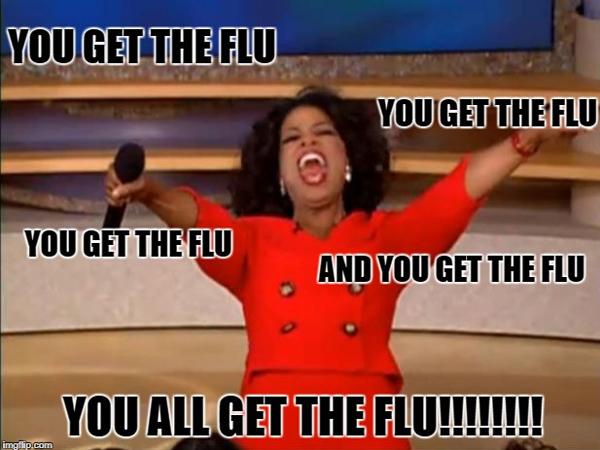
So what is influenza, or ‘the flu’ as its commonly referred to as? To start off, its a virus, specifically a segmented RNA virus, that targets the respiratory epithelium where it then hijacks our own cells to make copies of the virus which then infect other nearby cells. An article form the British Medical Journal describes the 4 different subtypes of influenza viruses and how they contribute to the highly infectious nature of the virus. Influenza is commonly spread via respiratory droplets and fomites, which makes it relatively infectious. The flu is especially problematic when it becomes prominent in high density areas such as schools, cruise ships, office buildings, etc. Combine that with the anti-vax movement that is causing herd immunity to be rendered ineffective and you can understand why flu season in grade school is like a giveaway during an Oprah Winfrey show. Influenza vaccination is so important for these reasons and others, including protecting our immunocompromised individuals like newborns and the elderly through herd immunity. Influenza is really a tragic disease that kills 10s of 1000s every single year. There’s even been few instances, such as the Spanish Flu of 1918, where millions have died from the disease.

Image obtained from https://www.idiva.com/health-wellness/well-being/10-i-am-ill-memes-to-let-the-world-that-you-are-bimaar/18005102

So whats the deal with people who do get the flu vaccine still coming down with the flu and even dying from it? As mentioned before, the flu has four different subtypes (A, B, C and D) that each can have even more potential variations. The flu shot typically only protects against 3 or 4 of these variations and changes every year, as described in this Scientific American article from September. This article also indicates that this year’s vaccine may not be as protective against infection as in previous years. This stems from the concept of antigenic drift which is when the viral spikes on the surface of the virus change randomly over time. Influenza has two specific factors that contribute to antigenic drift and the year to year variation that we see in the most infectious forms of the flu; hemagglutinin and neuraminidase. Hemagglutinin is a viral spike that allows for binding of the virus to target cells and neuraminidase is an enzyme that promotes budding of newly synthesized virions to allow further infection of nearby cells. The flu vaccine changes every year in an attempt to afford the most protection possible based on the variations of hemagglutinin and neuraminidase that are expected to be most prevalent during that flu season. This year, however, there was a ton of late evolution of the H3N2 variations that made it very difficult for the committee responsible for making the vaccine to determine which strain would ultimately cause the most infections. It seems that they may have gotten it wrong this year and that a different H3N2 variation than the one contained in the vaccine has risen to the forefront of influenza infections. While this is troubling news, it does not in any way mean that you shouldn’t get the flu shot; it is ALWAYS better to have some protection than no protection at all. Hopefully we can get through this flu season without too many extra complications or dire circumstances arising from the less effective vaccine being in circulation.

Andrew Wakefield and the Legacy of the Anti-Vaccination Movement

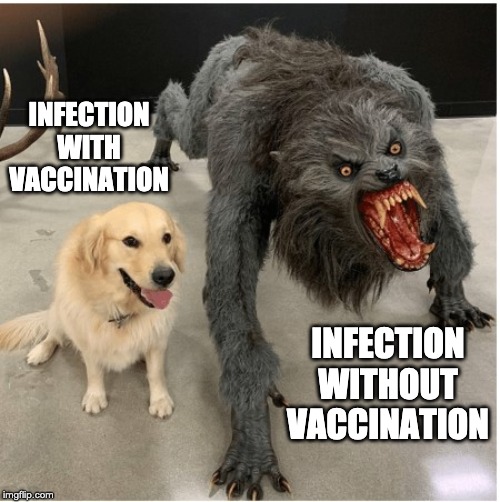
What’s the deal with all these anti vaxxers these days? What started this honestly absurd movement and why has it continued to carry support despite various studies refuting the main points of justification for many anti vaxxers? Yeah sure there was that one study by Andrew Wakefield, and later on a movie, that claimed vaccines caused Autism, but so many studies have contradicted those findings and Wakefield has even had his medical license revoked. I mean think about it, how does it make any sense to expose your children to extremely virulent pathogens without any extra protection, effectively taking them back to the Dark Ages? One of my professors, Dr. Cramer, I think said it best when she explained that not vaccinating children was similar to introducing them to a hungry, wild wolf instead of a domesticated golden retriever (see below). If current trends of anti-vaxxing continue, what resurgent disease could we be facing next? The Plague? Polio? Hopefully we can work to reverse this trend and stop these devastating diseases from returning.

Created at imgflip.com/memegenerator

So what started this whole anti-vaxxing craze? Take it back to 1998 when Andrew Wakefield published an infamous study that claimed vaccinations directly caused Autism in children. A 2011 British Medical Journal editorial does a fantastic job of pointing out the various flaws and fraudulent conclusions contained within the Wakefield study. First of all, the study was composed of an extremely small sample size of 12 who all came from a subset of children who displayed gastroenterological symptoms (stomach and intestinal issues). I mean come on, 12 kids, like really? You can’t be serious if you say you think 12 isolated cases are sufficient to demonstrate causation. To add on to this already poor scientific design, Wakefield didn’t have any controls in his study, which was not epidemiological in nature. How this study was even published in the first place is beyond me, but the fact that it still holds any weight in the anti-vaccination community is even more ridiculous as there have been a ton of other correctly designed, independent studies that have demonstrated absolutely no link between vaccines and autism. To make matters even worse, it has been found that Wakefield likely had ulterior motives for producing this study, as well as evidence of fraud in the reported results. It was exposed that Wakefield was actively participating in a lawsuit against the manufacturers of the vaccine he used in his study, a clear conflict of interest, which motivated him to alter results and medical histories of the participants of his 1998 study. These clear conflicts of interest are part of what ultimately caused the publisher to retract the study from publication, however the damage was already done at that point as the study had already garnered ample media coverage and invoked a huge vaccination scare throughout the UK and USA.

So just how big of an impact has the anti-vax movement had on the general public? Well, its not quantitatively huge, but it is still statistically significant. A Forbes Magazine article describes how anti-vaxxers have caused the measles, which had previously been eradicated in the US, to become resurgent in 2019. The vaccination scare caused by the Andrew Wakefield study and related media coverage and dissemination of anti-vax propaganda has resulted in more and more parents deciding to no vaccinate their children with MMRV. The CDC recommends that at least 95% of people need to be vaccinated to achieve what is known as herd immunity, which is the level at which the entire population is effectively protected from infection. That’s exactly the reason why I will always vaccinate my children down the road; not only does it protect them as individuals, but it works to protect those around them as well. Unfortunately, the anti-vax movement has continued to distribute misleading and inaccurate information to the general public that has now caused the vaccination rate to fall below that 95% threshold for herd immunity from the measles. At least for me, this is extremely troubling news and hits close to home as my campus just last week notified students that there had been a reported case of the mumps, another infection that is included in the MMR vaccine, in the student body. My question is, how long is insanity going to continue? How much more evidence must we present, how much more suffering must be reported, and how log will it take for us to get back to those optimal vaccination levels that guarantee herd immunity? I fear for the safety of future generations if this dangerous anti-vaxxing trend continues and we continue to regress as a society in terms of the standards we hold for healthcare the level of protection we have from some of the most devastating diseases the world has seen. I urge anyone reading this to consider the scientific facts rather than the pop culture headlines before deciding not to vaccinate themselves or their children.